Introduction
You can own the best products in the world and still get poor results — simply by applying them in the wrong order. Skincare is not just what you use, but when: each product is formulated to work at a specific layer of your skin, and layering them wrongly can block absorption, dilute actives, or neutralize them entirely.
The good news: the logic is simple once you understand one rule. This guide gives you that rule, the exact step-by-step order for morning and evening, the common ordering mistakes to avoid, and the exceptions worth knowing.
The One Rule That Governs Everything
Apply from thinnest to thickest texture.
Toners are watery — they go first. Serums are light but concentrated — next. Moisturizers are creamy — after. Sunscreen and makeup are the heaviest — last.
Why? Two reasons. First, thin liquids cannot penetrate through a heavy cream barrier; if you apply serum after moisturizer, most of it sits on the surface and goes to waste. Second, active ingredients work at different depths, and the order determines how far each one travels.
One important exception comes later (actives like retinoids), but for 95% of products, thin-to-thick is the rule.
The Morning Routine, Step by Step
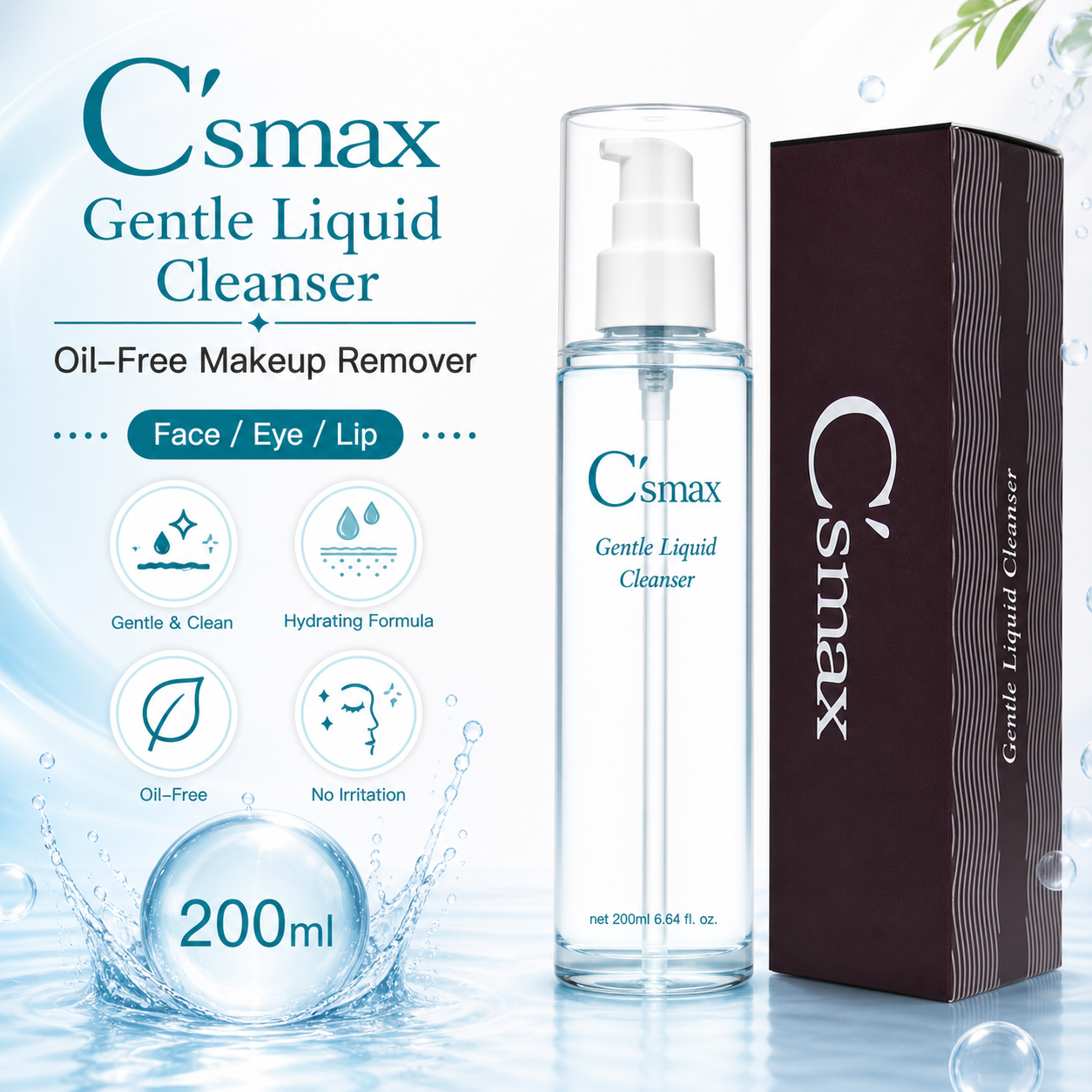
Step 1: Gentle cleanser. Overnight, skin produces oil and sheds cells. A gentle cleanse gives your products a clean surface. Use lukewarm water — hot water strips the barrier.
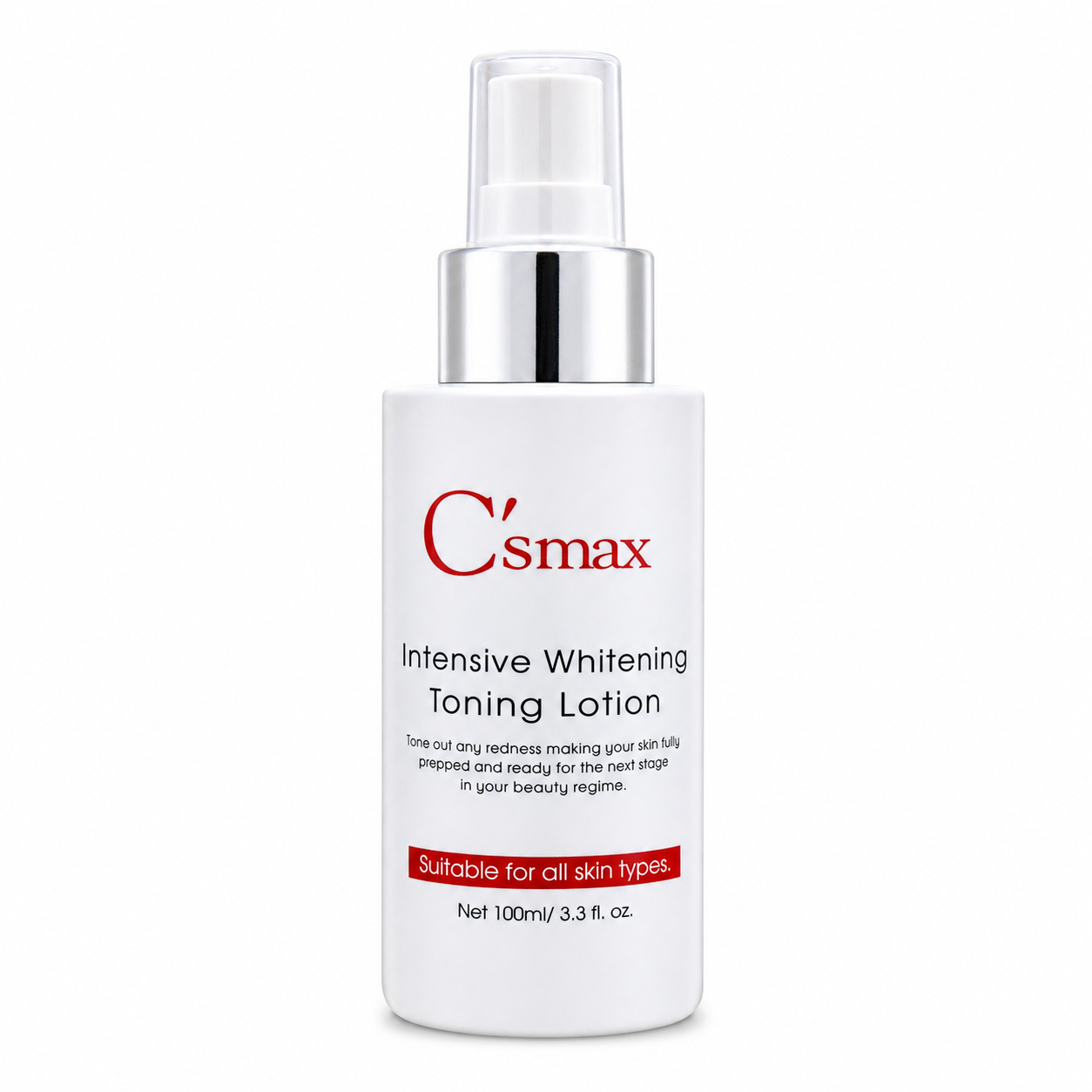
Step 2: Hydrating toner. Applied to slightly damp skin within a minute of cleansing, a hydrating toner takes advantage of the "moisture sandwich": damp skin conducts water-based ingredients better. Press it in with your palms rather than wiping.
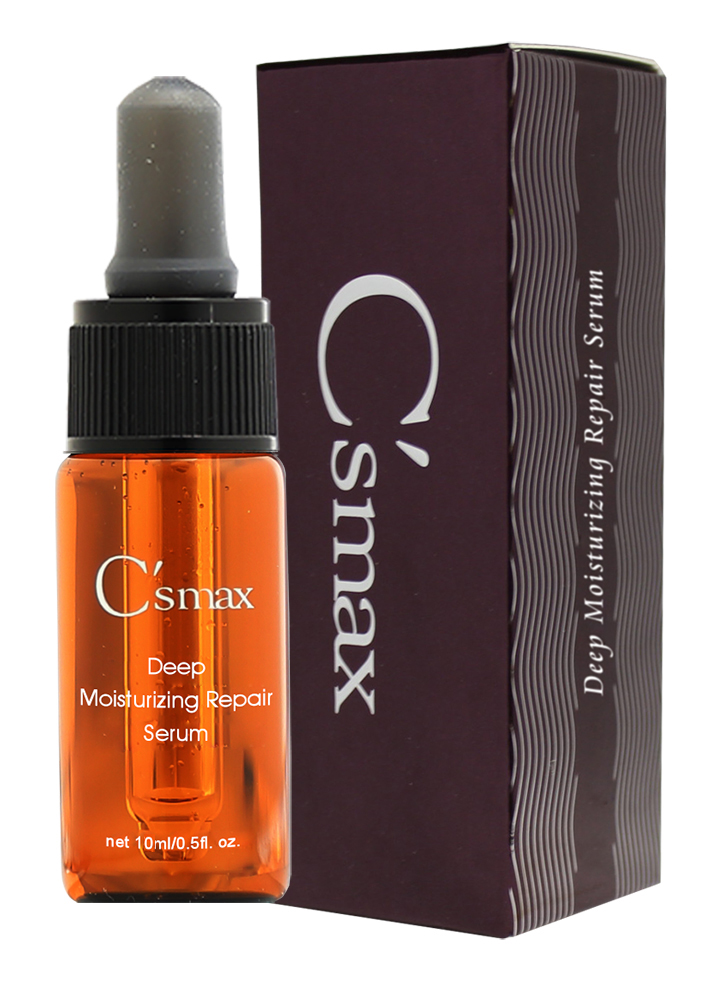
Step 3: Serum. The most concentrated step. Vitamin C in the morning is the classic choice — its antioxidant support works alongside your sunscreen against daytime environmental stress. Wait 30–60 seconds after toner so it absorbs onto skin, not into leftover liquid.
Step 4: Moisturizer. A lightweight layer seals everything in. In humid Thai weather, gel textures work for most skin types. Do not skip this even if you feel oily — dehydrated skin produces more oil.
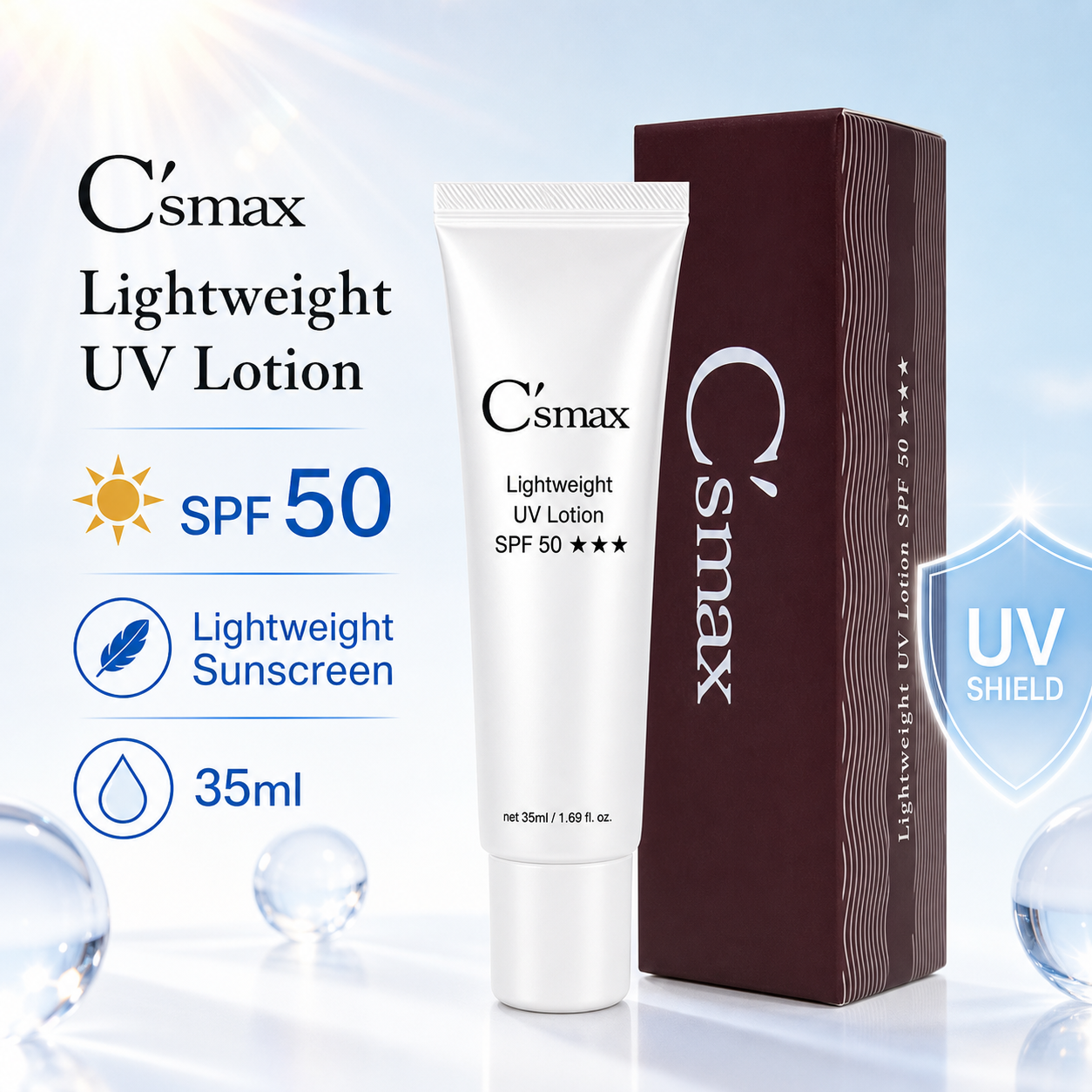
Step 5: Sunscreen (SPF 30–50). Always last in the morning. Sunscreen is designed to form an even protective film; rubbing serum into it afterward disturbs that film. If you need to reapply during the day, sunscreen goes over everything — including makeup.
The Evening Routine, Step by Step
Step 1: Remove sunscreen and makeup. If you wore heavy sunscreen or makeup, double cleanse: an oil-based cleanser first, then your regular gentle cleanser.
Step 2: Cleanse. As in the morning, 30–60 seconds, lukewarm water.
Step 3: Hydrating toner. Replenish what the day took out.
Step 4: Treatment serum. Evenings are for repair: hydrating serums, brightening serums, or — on alternate nights only — stronger actives like retinol or exfoliating acids. Never stack multiple strong actives in one session.
Step 5: Moisturizer. Slightly richer than your daytime texture is fine. This is when your skin holds onto it best.
Common Ordering Mistakes (and the Fix)
Mistake 1: Serum after moisturizer. The serum cannot get through. Always serum first, cream after.
Mistake 2: Sunscreen before moisturizer. The moisturizer disturbs the sunscreen film. Sunscreen is always the final skincare step, every time.
Mistake 3: Applying products to bone-dry skin. Slightly damp skin improves absorption of hydration products. You do not need to soak your face — just do not wait until it is completely dry after cleansing.
Mistake 4: No waiting time between actives. Give each layer 30–60 seconds to absorb. Products applied instantly on top of each other mix into one muddy layer — and pilling (little balls of product) is the usual result.
Mistake 5: Mixing strong actives in one session. Retinol + AHA + vitamin C in one evening is a recipe for irritation, not results. Strong actives belong on alternating nights.
Mistake 6: Rubbing eye cream in. The eye area is delicate; press gently with your ring finger instead.
The Exceptions Worth Knowing
- Retinoids at night, on dry skin. Apply retinol or retinal to fully dry skin after cleansing (damp skin increases penetration and irritation). Buffer with moisturizer if you are sensitive.
- Spot treatments before moisturizer if they need direct contact; after, if they are drying formulas you want to slow down.
- Facial oils always go last (before sunscreen in the morning is acceptable, but oils and mornings rarely mix in Thai humidity).
- Sheet masks go after serum — the mask helps drive the serum in. Follow with moisturizer to lock it down.
Frequently Asked Questions
How long should I wait between steps?
30–60 seconds is enough for most layers. For strong actives, a minute or two. You do not need five-minute gaps — that just makes the routine impossible to sustain.
Do I need to moisturize if my skin is oily?
Yes. Oily skin can still be dehydrated, and skipping moisturizer often triggers more oil production. Choose a gel texture.
Can I apply sunscreen over makeup?
Yes — reapplying sunscreen midday is important in Thailand. Use a sunscreen stick or cushion-type SPF to press over makeup without ruining it.
Does the order change for men?
No. Skin biology is the same; routines differ by skin type and concerns, not gender.
What if my routine has many products?
The order stays the same: cleanse → toner → thin serums → thicker serums → moisturizer → sunscreen (morning) or oil (evening). If the routine is getting complicated, ask whether every product is earning its place.
Conclusion
Correct order is the cheapest skincare upgrade there is: it costs nothing, and it makes every product you already own work better. Remember the rule — thin to thick, sunscreen always last, strong actives at night on alternating days — and give each layer a moment to settle.
Small habit change, better results from every bottle on your shelf. That is the entire secret.