Introduction
In Thailand, brightening skincare is everywhere — in pharmacies, department stores, and social media feeds. Yet many people spend real money on whitening serums and creams and still feel their skin looks dull or uneven. The problem is usually not the product itself. More often, it is how the product is used, what it is combined with, or what is missing from the rest of the routine.
Thailand's climate makes this harder than in cooler countries. We live with intense year-round UV exposure, high humidity, air-conditioned indoor air, and long commutes in the sun. A brightening routine copied from a Korean or European influencer often fails here for reasons that have nothing to do with genetics.
This article walks through the five most common whitening mistakes we see, why each one holds your skin back, and what to do instead. Nothing here requires an expensive overhaul — most fixes are about strategy, not spending.
Why Brightening Products Sometimes Fail
Brightening products work slowly by design. Ingredients like vitamin C, niacinamide, and tranexamic acid influence how much pigment your skin produces and how evenly melanin is distributed. They do not bleach the skin. They support a gradual shift toward a more even, radiant tone over weeks and months.
When results do not appear, one of four things is usually happening: the active ingredient never gets a chance to work (it is broken down by sun exposure), the skin barrier is too compromised to absorb anything well, the routine is inconsistent, or expectations are out of sync with how skin biology actually works. The five mistakes below map directly onto these causes.
Mistake 1: Skipping Sunscreen
This is the single biggest mistake — and in Thailand, the most costly one. UV radiation triggers melanin production. Every minute of unprotected sun exposure works against your brightening serum. Ultraviolet light passes through clouds, bounces off concrete, and reaches you through car windows while you sit in Bangkok traffic.
UVA rays, which cause tanning and darkening, stay nearly constant from morning to evening, all year round, regardless of weather. A ฿1,500 serum cannot outrun daily unprotected exposure.
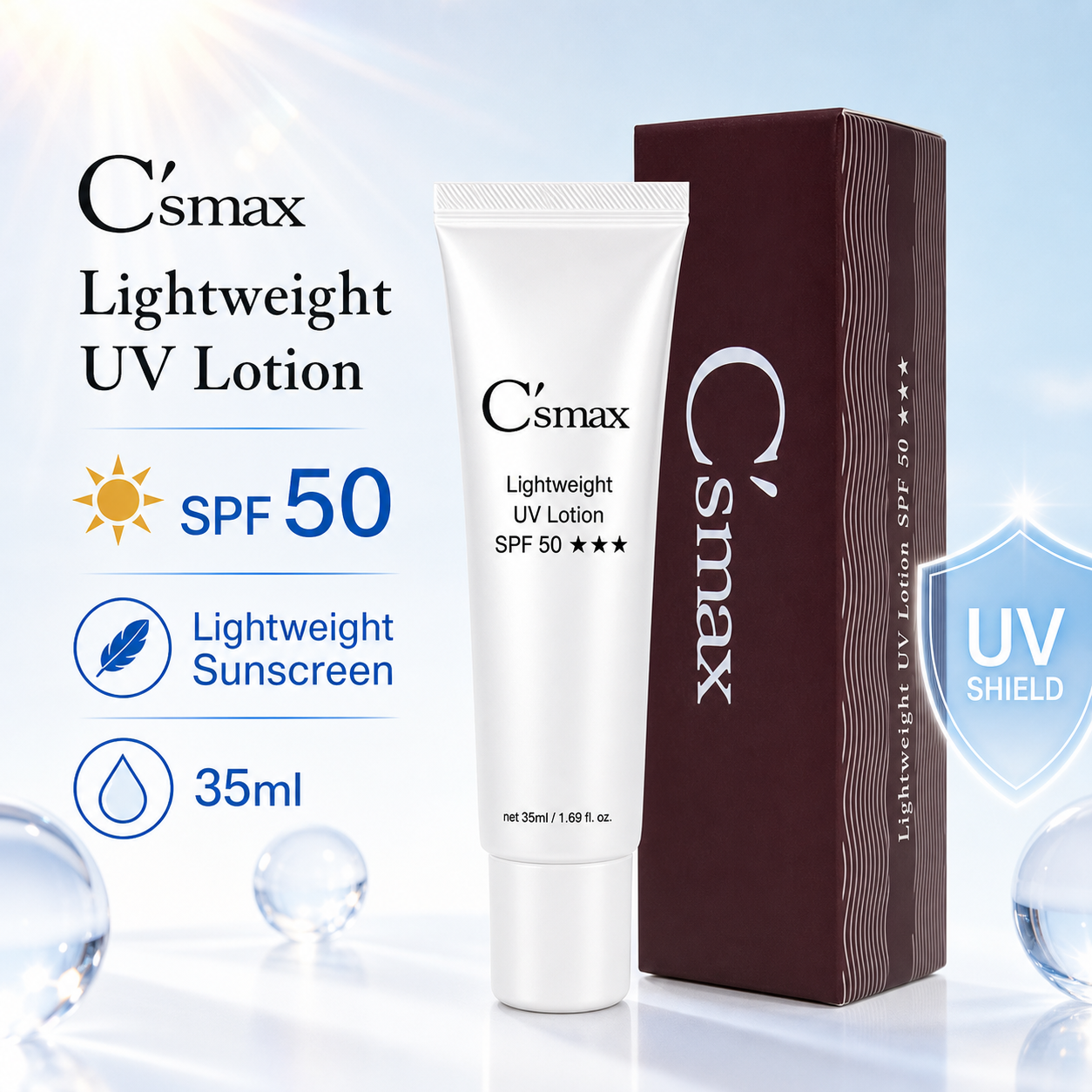
The fix: Apply a broad-spectrum SPF 50 sunscreen every morning as the final step of your routine — even if you work indoors, even if it is rainy season. Reapply at midday if you go outside. Think of sunscreen not as the last step of skincare, but as the first step of your brightening routine.
Mistake 2: Using Too Many Active Ingredients
Strong actives are tempting: vitamin C in the morning, AHA toner at night, retinol three times a week, plus a brightening mask on weekends. Used together without a plan, they irritate the skin. Irritated skin responds by becoming inflamed, and post-inflammatory pigmentation is one of the main causes of dark spots in Asian skin.
More actives do not mean faster results. They mean more irritation, a weaker barrier, and often darker spots than when you started.
The fix: Keep it simple. Choose one or two well-formulated actives and use them consistently. A vitamin C serum in the morning and a gentle brightening product at night is enough for most people. Introduce any new active one at a time, waiting two weeks before adding another.
Mistake 3: Expecting Overnight Results
Skin renews itself in cycles of roughly 28 days — longer as we age. Pigment that has built up over years of sun exposure will not disappear in a week, and any product claiming it can should be treated with suspicion. Real brightening is measured in seasons, not days.
The people with the most even, luminous skin are almost always the ones who have followed a boring, consistent routine for six months or more.
The fix: Give any routine at least 8 to 12 weeks before judging it. Take a photo in the same lighting on day one, then compare at week four, week eight, and week twelve. Memory is a poor judge of gradual change; photos are honest.
Mistake 4: Ignoring Skin Barrier Health
The skin barrier — the outermost layer of your skin — decides what gets in and what stays hydrated. When it is damaged by over-exfoliation, harsh cleansers, or too many actives, two things happen: your brightening ingredients cannot penetrate properly, and your skin becomes more reactive to heat and sun, which shows up as redness and uneven tone.
Hydrated, healthy skin also simply looks brighter. Light reflects evenly off a smooth, well-hydrated surface. Much of what people call "glow" is good hydration, not pigment change.
The fix: Support your barrier with a hydrating toner or essence, a serum with hyaluronic acid or peptides, and a moisturizer suited to your skin type. If your skin stings when you apply products, that is a signal to simplify, not to add more.
Mistake 5: Choosing Products Without Understanding Ingredients
Marketing terms like "advanced whitening complex" tell you nothing. What matters is the ingredient list: what actives are included, at meaningful concentrations, in a stable formula. Vitamin C, for example, is effective but notoriously unstable — a badly packaged product can be oxidized before you even open it.
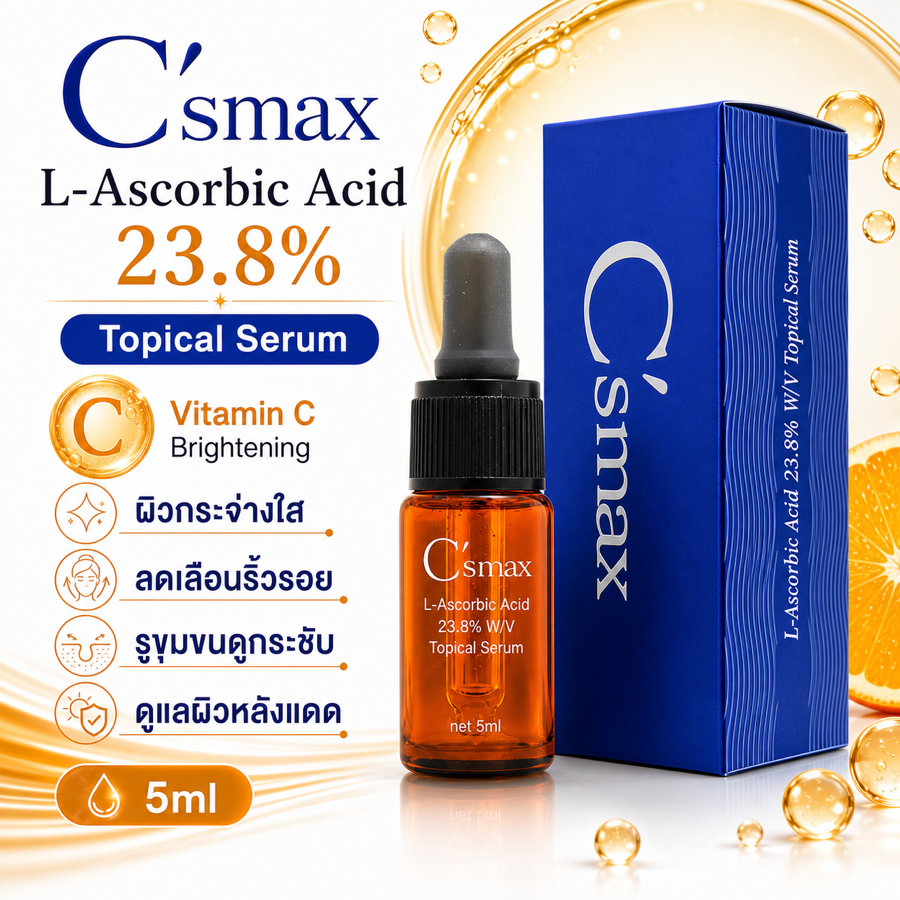
The fix: Learn to recognize a handful of evidence-supported ingredients: vitamin C (L-ascorbic acid), niacinamide, tranexamic acid, arbutin, and gentle exfoliating acids. Look for opaque, airless, or dark glass packaging for vitamin C products. Buy from brands that state their concentrations and explain their formulas, and be skeptical of anything promising instant results.
How to Build an Effective Brightening Routine
A climate-proof brightening routine for Thailand can be very simple:
Morning: Gentle cleanser → brightening toner → vitamin C or brightening serum → lightweight moisturizer → SPF 50 sunscreen.
Evening: Cleanser → hydrating toner → brightening or repair serum → moisturizer.
Once or twice a week, add a soothing or brightening mask. That is the entire framework. Everything else — masks, mists, extra serums — is optional, not foundational. Consistency with this simple structure will outperform any complicated routine abandoned after three weeks.
Frequently Asked Questions
Can whitening products damage my skin?
Well-formulated products from reputable brands are generally safe when used as directed. Problems usually come from overuse, combining too many actives, or using unverified products with undisclosed ingredients. If a product causes stinging, redness, or peeling, stop using it and let your skin recover.
Do I need sunscreen even when staying indoors?
If you sit near windows, commute, or step outside at any point in the day — yes. UVA rays pass through ordinary glass and stay strong all day in Thailand. Indoor-only days with heavy curtains are the exception, not the rule.
Why is my skin darker after starting a new serum?
Irritation can trigger post-inflammatory pigmentation, which looks like new darkening. This usually means the product is too strong for your current routine or your barrier is compromised. Pause the actives, focus on hydration and sunscreen for two weeks, then reintroduce slowly.
Is whitening the same as bleaching?
No. Modern brightening skincare works to even out skin tone and reduce excess pigmentation. It does not change your natural skin color. Healthy, realistic goals are a clearer, more even, more radiant version of your own skin tone.
Conclusion
Brightening skincare in Thailand is not about finding one miracle product. It is about avoiding the five mistakes that quietly cancel out your efforts: skipping sunscreen, overloading on actives, expecting overnight change, neglecting the skin barrier, and shopping by marketing claims instead of ingredients.
Fix the strategy, keep the routine simple, protect your skin from the sun every single day, and give it a full season to work. That is how brightening results actually happen — slowly, steadily, and sustainably.